
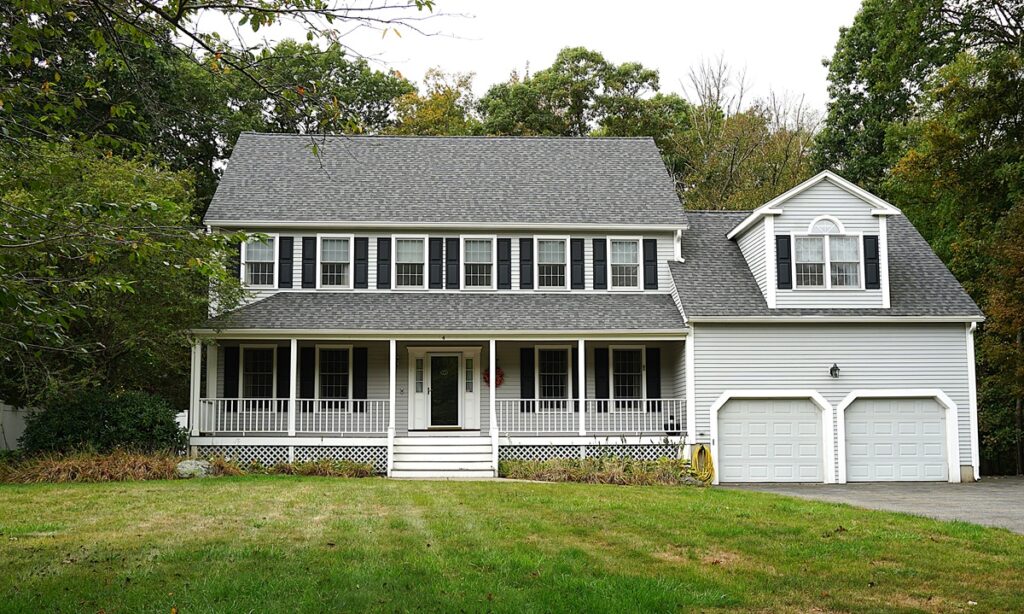
Knowing whether your roof needs a repair or a full replacement is something many homeowners find genuinely difficult to figure out on their own. The right answer depends on a number of factors, including the age of your roof, the material it is made from, the extent of the damage, and the long-term goals you have for your home. Making the wrong call in either direction can be costly, and that is why having an honest, experienced contractor in your corner makes such a difference. In this blog, we will walk through the key signs that point toward repair, the conditions that call for a full roof replacement, and how Brown Bros Roofing can help you make the right decision with confidence.
What Are the Most Common Signs Your Roof Needs Repairs?
Roof repairs are the right call when damage is limited to a specific area and the rest of the roof is still in solid condition. The most common signs that your roof has a problem worth addressing include missing or cracked shingles, flashing that has pulled away from a chimney, skylight, or vent pipe, and water stains appearing on interior ceilings or in the attic. Granule loss on asphalt shingles is another early indicator, often visible as dark patches on the roof surface or as a buildup of granules in your gutters after rain. Catching and addressing these issues early is one of the most effective ways to extend the overall life of your roof without committing to a full replacement before one is truly needed.
When Is a Roof Leak Repairable?
A roof leak is repairable when it is traced back to a single, identifiable source rather than a pattern of failure across the surface. Common repairable leak sources include damaged step flashing along a dormer or wall, a cracked boot flashing around a plumbing vent, or a small area of shingles that have lifted or broken due to wind damage. If your contractor can isolate the leak to one area and the surrounding roofing system is otherwise intact, a targeted repair is often all that is needed. Brown Bros Roofing approaches every inspection with that same goal: fix what is broken, and be straightforward about what we find.
When Does Roof Damage Require a Full Replacement Instead of a Repair?
A full roof replacement becomes necessary when the damage is widespread, the roofing system has reached the end of its useful life, or repairs would only serve as a short-term fix on a roof that is already failing. One of the clearest indicators is when damage is present across multiple areas of the roof simultaneously, since patching one section while another is deteriorating rarely results in a lasting outcome. Sagging in the roof deck is another serious sign, as it often indicates that the decking boards or the rafters beneath them have been compromised by long-term moisture exposure. If your shingles are curling, buckling, or losing significant amounts of granules across the whole surface rather than in isolated spots, the roofing material itself is telling you that it has run its course. In these situations, a replacement is not just the more thorough option, it is the more economical one over time.
How Does the Age of Your Roof Factor Into the Repair vs. Replacement Decision?
The age of your roof is one of the most important factors in deciding whether to repair or replace it. An asphalt shingle roof in its early to middle years that sustains localized storm damage is a strong candidate for repair, since there is still plenty of useful life remaining in the surrounding material. That same repair on a roof approaching or past its expected lifespan is a different calculation entirely, because you would be investing money in a surface that is likely to present new problems in the near future regardless. Architectural shingles and natural slate have longer lifespans than standard three-tab shingles, so the age thresholds for each material are different. EPDM flat roofs follow a similar logic, where an isolated membrane puncture on a newer installation is very much worth repairing, but widespread seam failure or membrane shrinkage on an older installation is a sign that a full replacement will serve you better.
Does the Type of Roofing Material Change the Decision?
Yes, the material your roof is made from plays a meaningful role in how repair decisions are weighed. Slate roofing is designed for an exceptionally long lifespan, so individual cracked or slipped slate tiles are almost always worth replacing individually rather than triggering a full roof replacement. With asphalt shingles, the concern is whether replacement shingles from today’s product lines will match the existing ones closely enough in color and thickness, since a noticeable patch on an otherwise uniform surface can affect both appearance and weatherproofing. EPDM and other flat roofing membranes can often be repaired with seam tape or a patch kit when the damage is small and confined, but those repairs are only as good as the overall condition of the rest of the membrane. Brown Bros Roofing works across all of these material types and can give you an honest read on what makes the most sense for your specific roof.
What Should You Consider Before Choosing Between Roof Repair and Replacement?
Before making any decision, it helps to think through a few key factors beyond just the visible damage. The first is how long you plan to stay in your home. If you are planning to sell in the near future, a full roof replacement with new shingles from a recognized manufacturer like CertainTeed, Owens Corning, or GAF can add meaningful value and remove a potential sticking point in the sale. If you plan to stay for the long term, the decision comes down to whether a repair will hold up or whether you will be back in the same conversation in a few years. The second factor is the quality of your existing roofing system beneath the surface. A professional inspection can reveal the condition of your roof deck, underlayment, ice and water shield, and ventilation, all of which affect whether a repair will perform as expected. Here is a helpful checklist to think through before reaching out to a contractor:
- Is the damage limited to one area, or is it spread across the roof?
- Is your roof approaching or past its expected lifespan for its material?
- Are there any signs of damage to the roof deck beneath the surface?
- Have you had multiple leaks or repairs in the last few years?
- Are you planning to sell the home in the near future?
- Has a professional inspected the attic ventilation and underlayment recently?
If you answered yes to more than a couple of these, a conversation about replacement is worth having. If the damage is truly isolated and your roof is still in its prime, a repair is likely the smarter move for now.
Get a Free Roof Inspection from the Trusted Team at Brown Bros Roofing
Whether you are leaning toward a repair or starting to think a replacement might be the right move, getting a professional opinion is always the best first step. Brown Bros Roofing has been helping Greater Boston homeowners navigate exactly these decisions since 1932, and our team brings close to a century of experience to every inspection and estimate we perform. We work with the best roofing materials available, including CertainTeed, Owens Corning, and GAF for asphalt shingle projects and Mule-Hide for EPDM flat roofing, and our Select ShingleMaster Certification from CertainTeed reflects the standard of quality we bring to every job. We will never push you toward a replacement if a repair is the honest answer, and we will never recommend a patch when your roof is telling us something bigger is needed. To schedule your free inspection or get started with a no-obligation estimate, visit brownbrosroofing.net, email us at info@brownbrosroofing.net, or give us a call at (781) 329-2895.